Import guide
How to Import the Jetour T2 from China: A Step-by-Step Guide for Overseas Buyers
A practical buying guide for dealers and importers: choosing the model year, getting an FOB or CIF quote, inspection, shipping and the documents you need for customs.
By EVtoU export team · Published · Updated · 8 min read
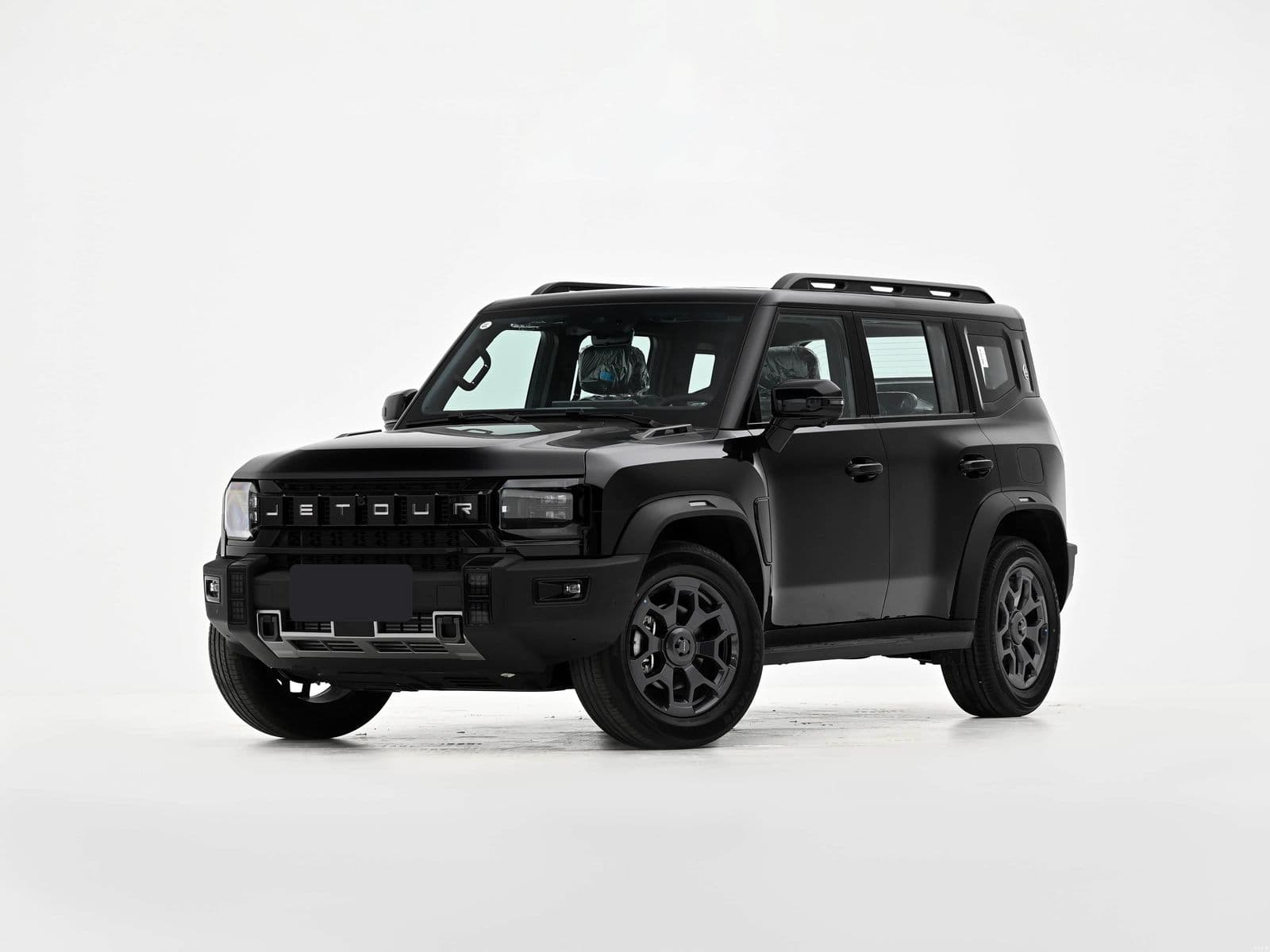
Importing a Jetour T2 from China takes five steps: confirm your market rules, choose the model year and trim, agree a proforma invoice, check the vehicle before loading, and clear customs with the export documents. This guide walks through each step from a dealer's point of view.
1. Check your market rules before you choose a car
Three rules decide what you can import. Steering side: the Jetour T2 is supplied in left-hand drive, which fits LHD markets directly. Vehicle age: if you plan to buy used, many countries cap the age of imported vehicles. Certification: some markets require a conformity scheme, such as Saudi Arabia's SABER platform or the EAEU regulation used in Russia and Kazakhstan.
Our market guides summarise these points for Saudi Arabia, the UAE, Russia, Kazakhstan, Azerbaijan, Algeria, Ghana and Venezuela. Always confirm the current rule with your customs broker — limits change.
2. Choose the right Jetour T2 model year and trim
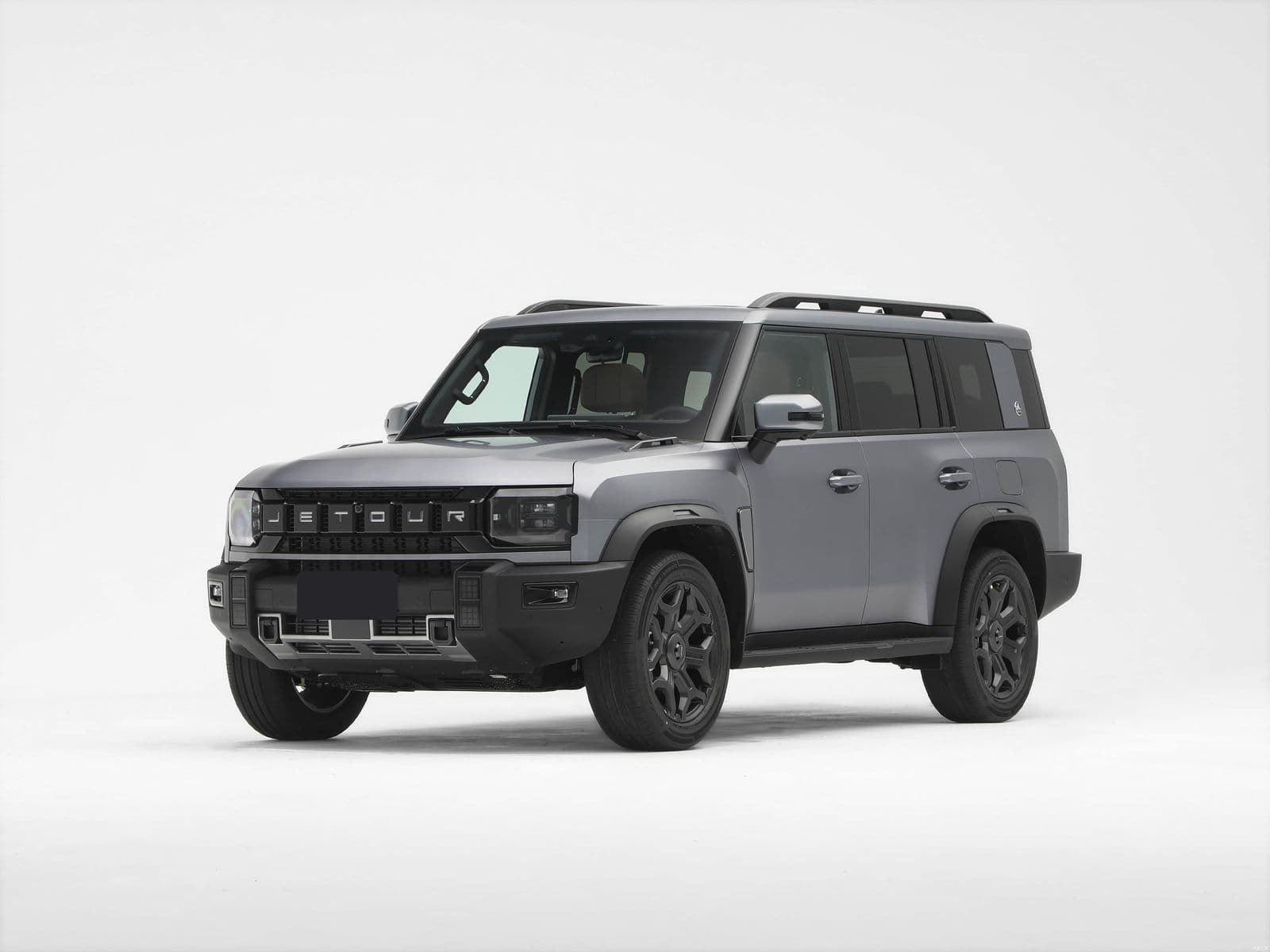
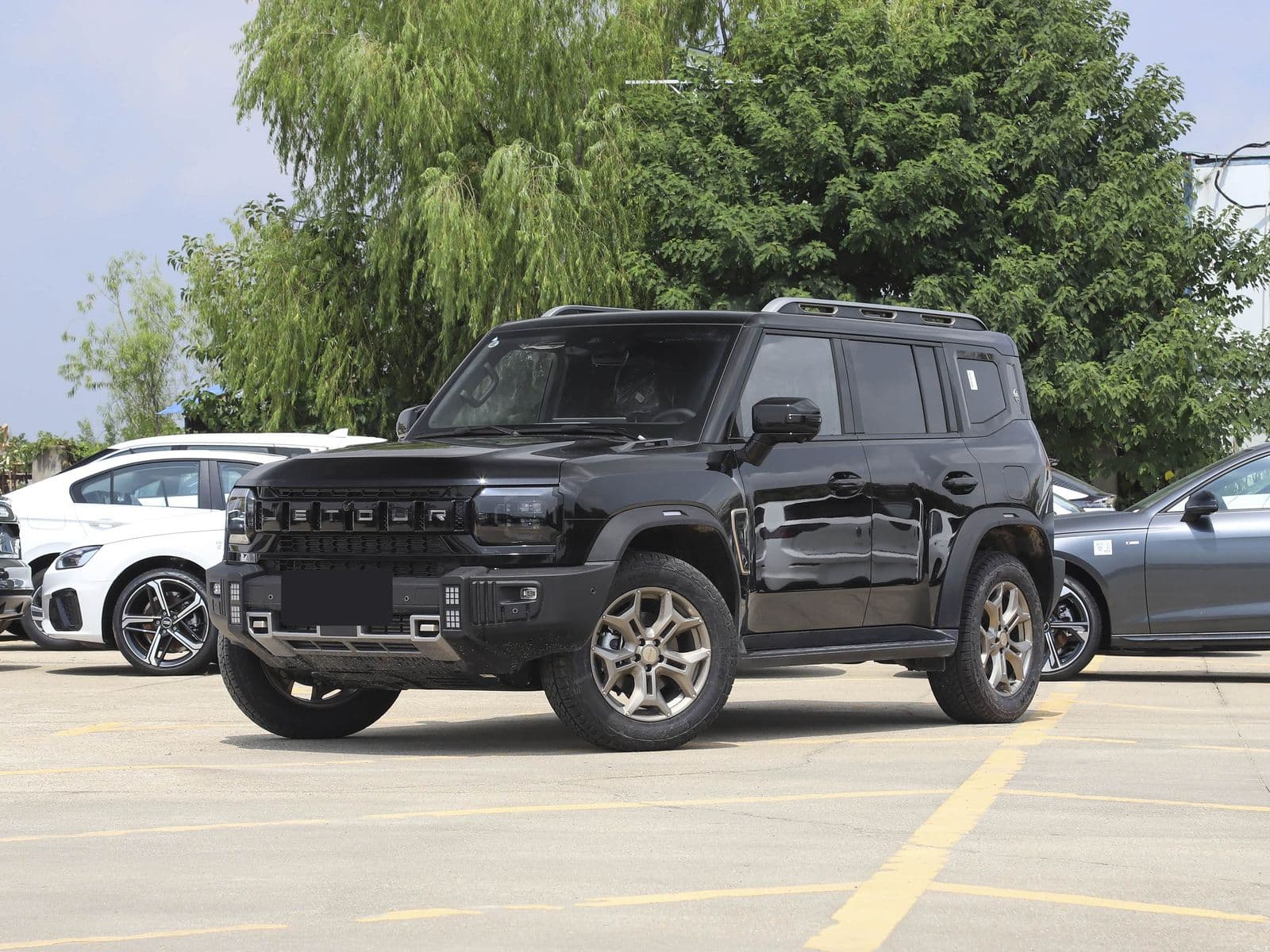
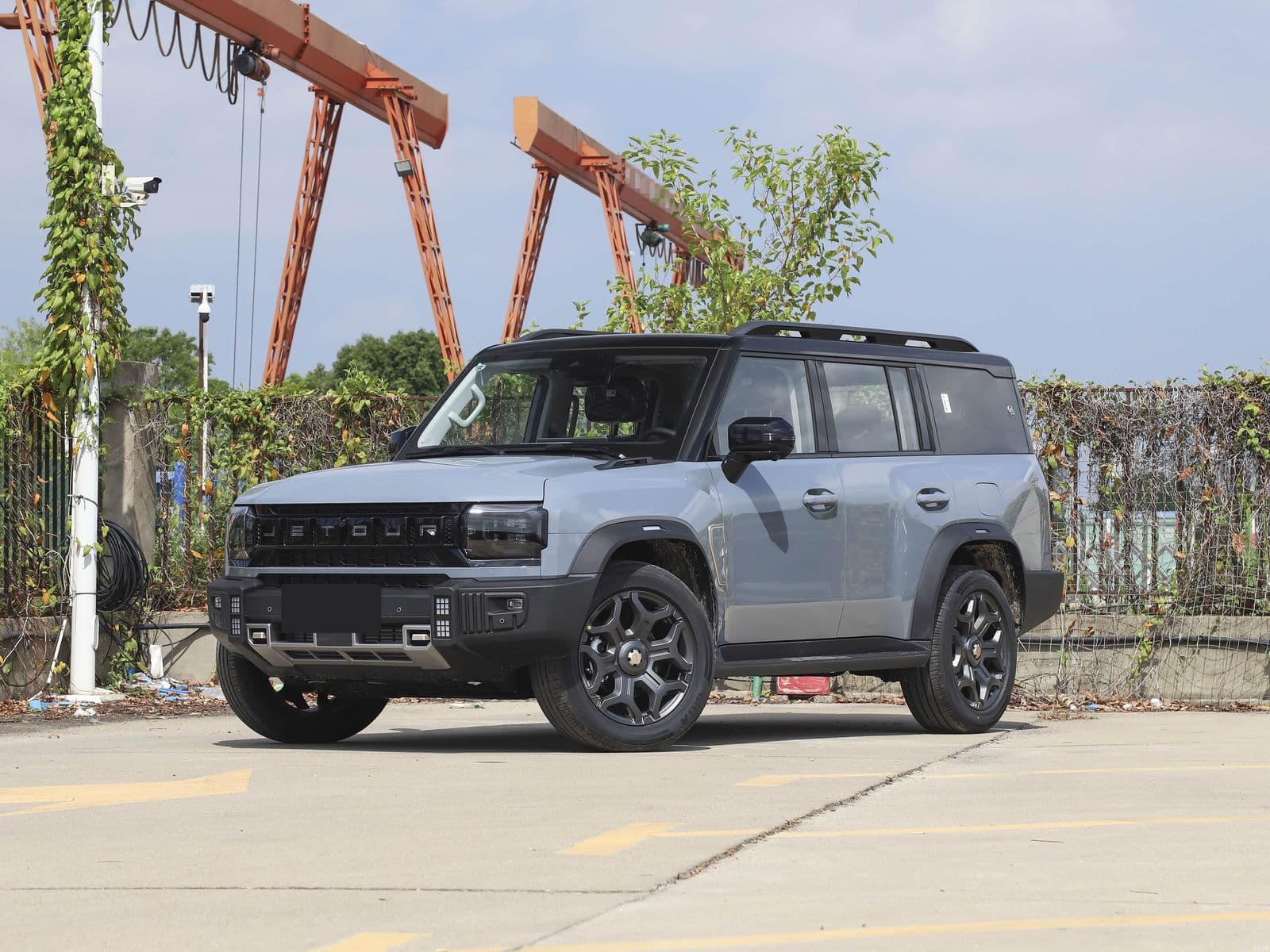
The Jetour T2 — called the Jetour Traveller in China — has been built since 2023. For new vehicles, the current choices are the 2026 Jetour T2 and the longer 2026 T2 PLUS. For used or remaining stock, the 2025 model year offers the widest choice of trims.
| If your customer needs… | Choose |
|---|---|
| Lowest running cost, city use | 1.5T FWD (Explore trims) |
| Four-wheel drive and towing | 2.0T XWD (Discover, Traverse, Conquer) |
| Seven seats | 2026 T2 PLUS or 2025 long-body Conquer |
| Lowest purchase price | Used 2023–2025, where age rules allow |
For a deeper comparison, read Jetour T2 1.5T vs 2.0T and our trim guide.
3. Request an FOB or CIF quotation
Send the supplier four details: model and trim, quantity, destination port, and new or used. A good exporter replies with availability, unit price and the Incoterm. FOB covers the vehicle loaded on the vessel in China; CIF adds ocean freight and insurance to your port. The ICC's Incoterms® rules define both.
There is no minimum order with EVtoU — one unit is fine, and trial orders are welcome for new partners.
4. Confirm everything on the proforma invoice
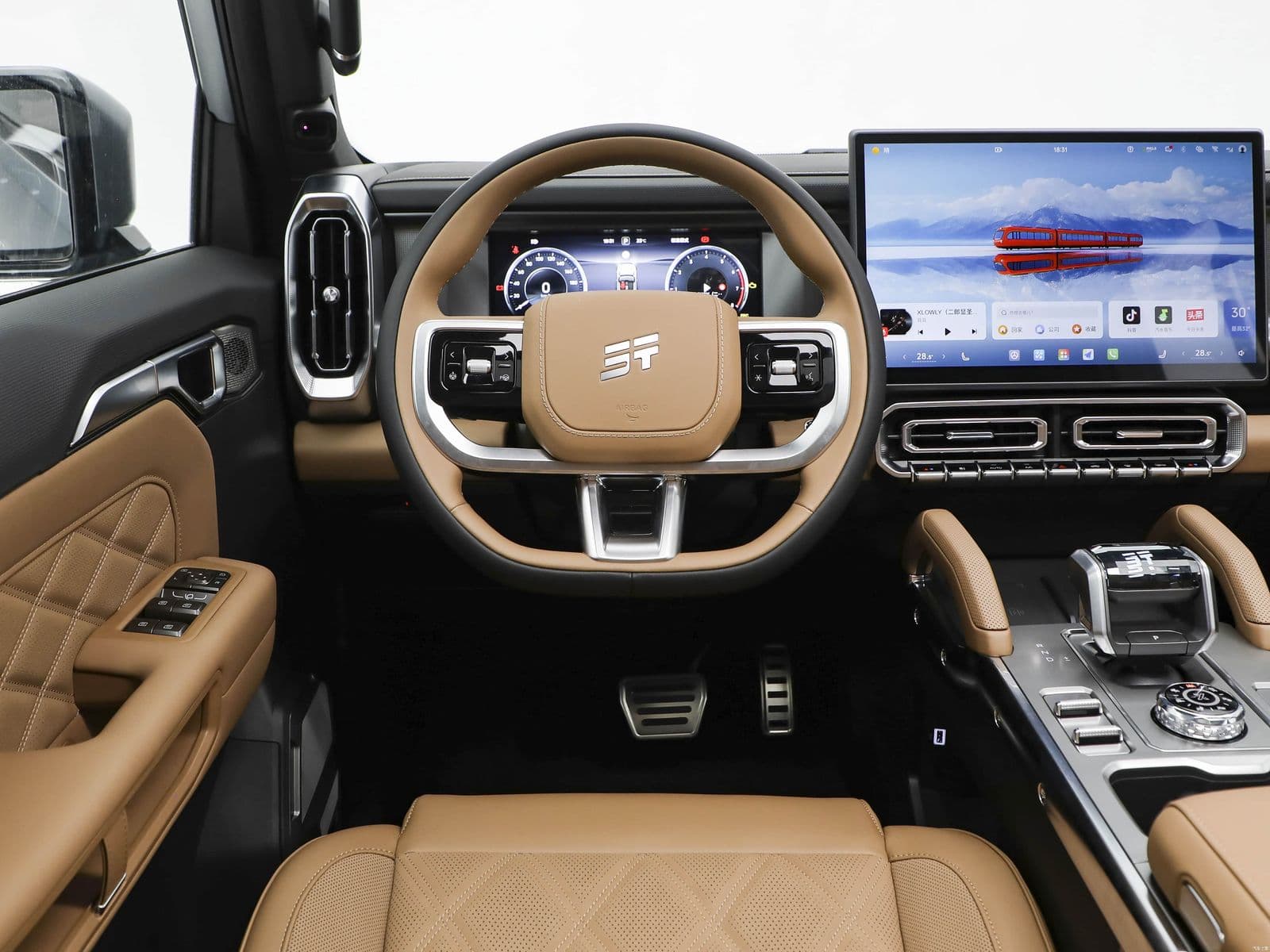
The proforma invoice (PI) is your contract in practice. Check the exact trim name, engine, transmission, seat count, exterior and interior colour, unit price, Incoterm, port of loading, payment terms and delivery timeline. If something you discussed is missing from the PI, ask for it to be added before you pay.
5. Inspect before loading
Ask for photos or video of each vehicle before it leaves the yard: exterior, interior, engine bay and odometer. For used vehicles this is essential. EVtoU sends a photo or video at each milestone, and independent inspection (for example by SGS) can be arranged on request.
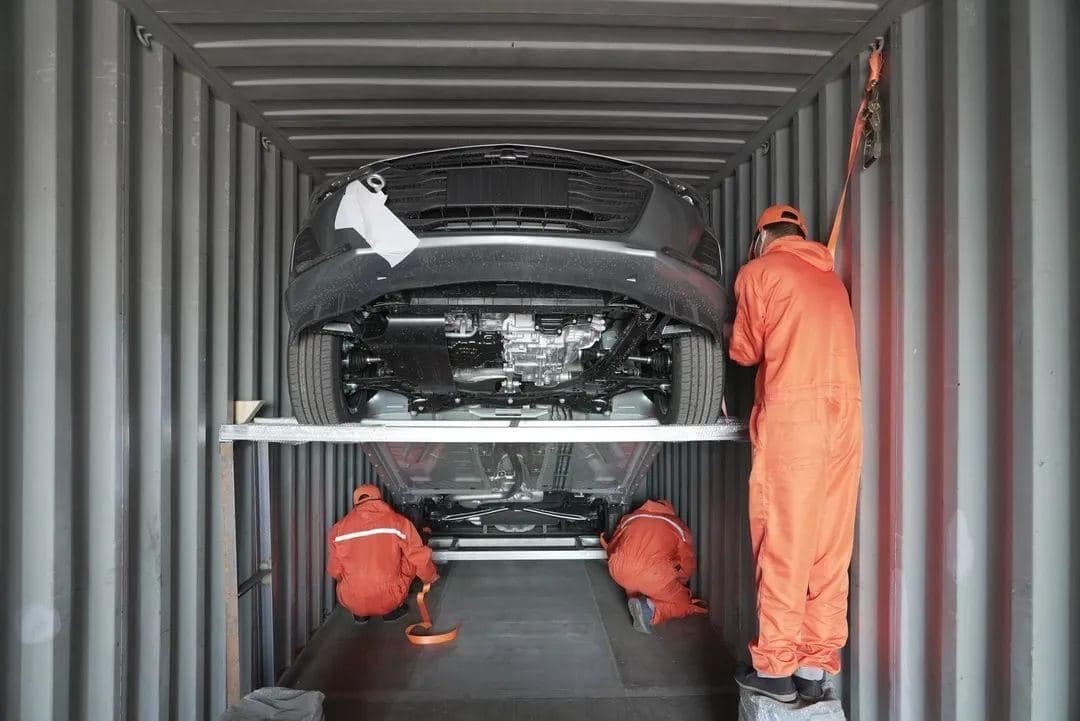
6. Ship by Ro-Ro or container
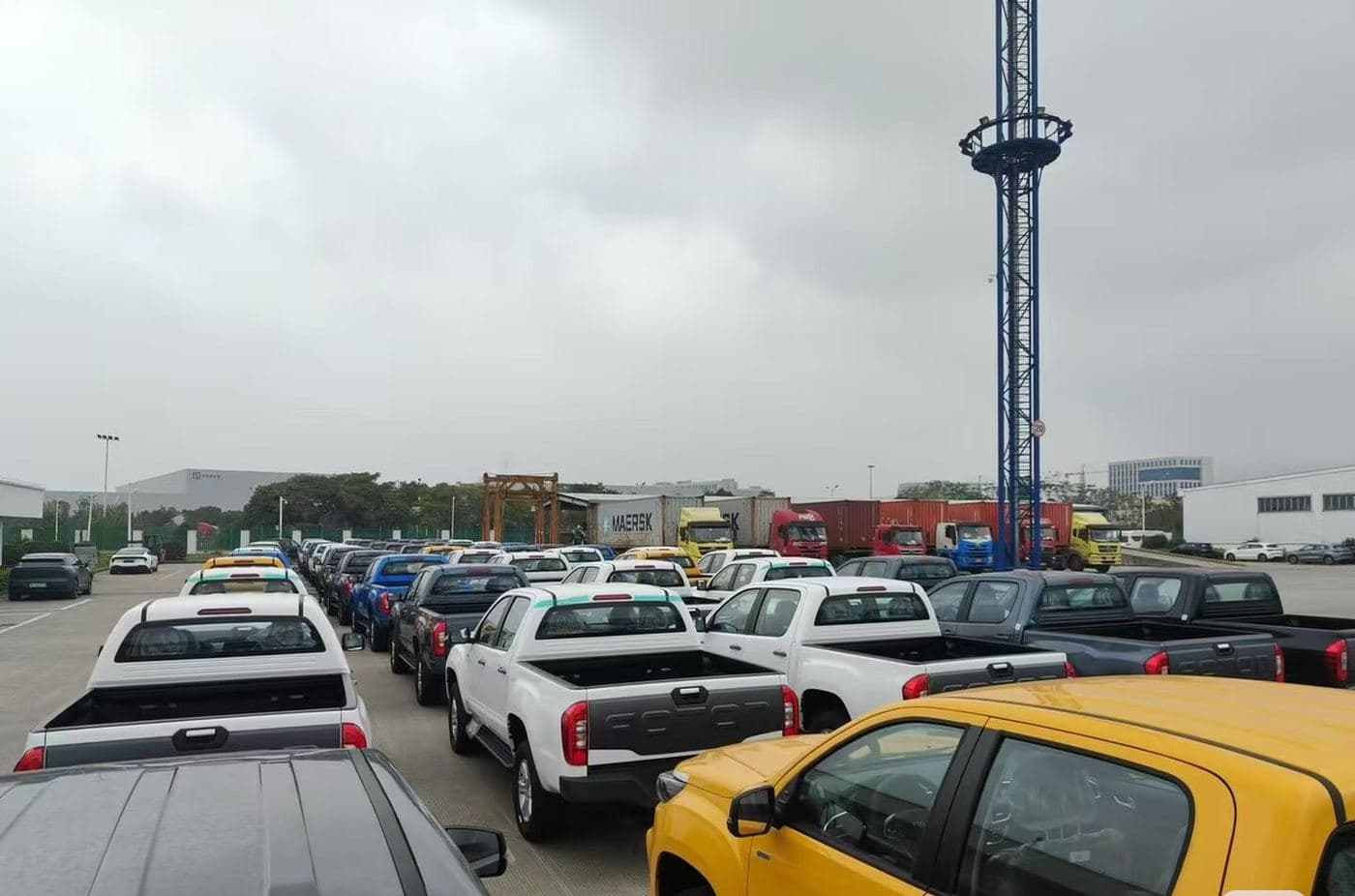
Ro-Ro (roll-on/roll-off) vessels carry vehicles driven on board and suit larger orders to busy ports. Containers suit smaller orders, mixed-model loads and inland destinations; two-tier racking can fit more SUVs per 40HQ. In-stock vehicles can ship within 10 working days after payment.
7. Clear customs with the right documents
- Commercial invoice and packing list
- Bill of lading (B/L)
- Certificate of origin (CO)
- Any certificate or vehicle document your country requires, agreed in advance
Import duties, taxes, registration and homologation are paid and handled in the destination country. Ask your broker for a landed-cost estimate before you confirm the order.